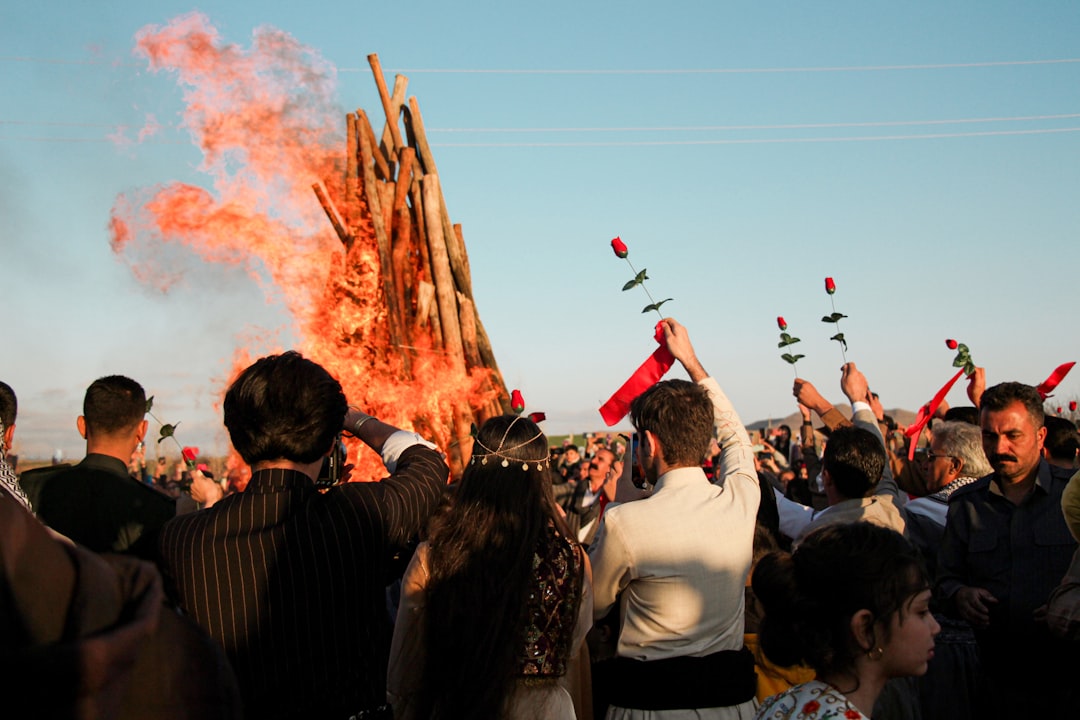
In the rugged highlands of the Middle East, where the Zagros Mountains cut through the sky, a rhythmic beating of drums signals more than just a celebration; it signals existence. Kurdish dance, known collectively as Govend or Halpay, is a mesmerizing display of color, coordination, and community. It is an ancient art form that serves as the heartbeat of the Kurdish people, transcending borders and preserving a distinct cultural identity through movement.
To the uninitiated observer, the dance appears as a joyful, synchronized line of people linking fingers and stomping feet. However, for the Kurds, this tradition is a profound narrative of history, resistance, and social cohesion. From the grand celebrations of Newroz (the Kurdish New Year) to intimate village weddings, the dance floor is where the story of the Kurdish nation is told, not with words, but with unity in motion.
The Mechanics of Movement: How the Dance Unfolds
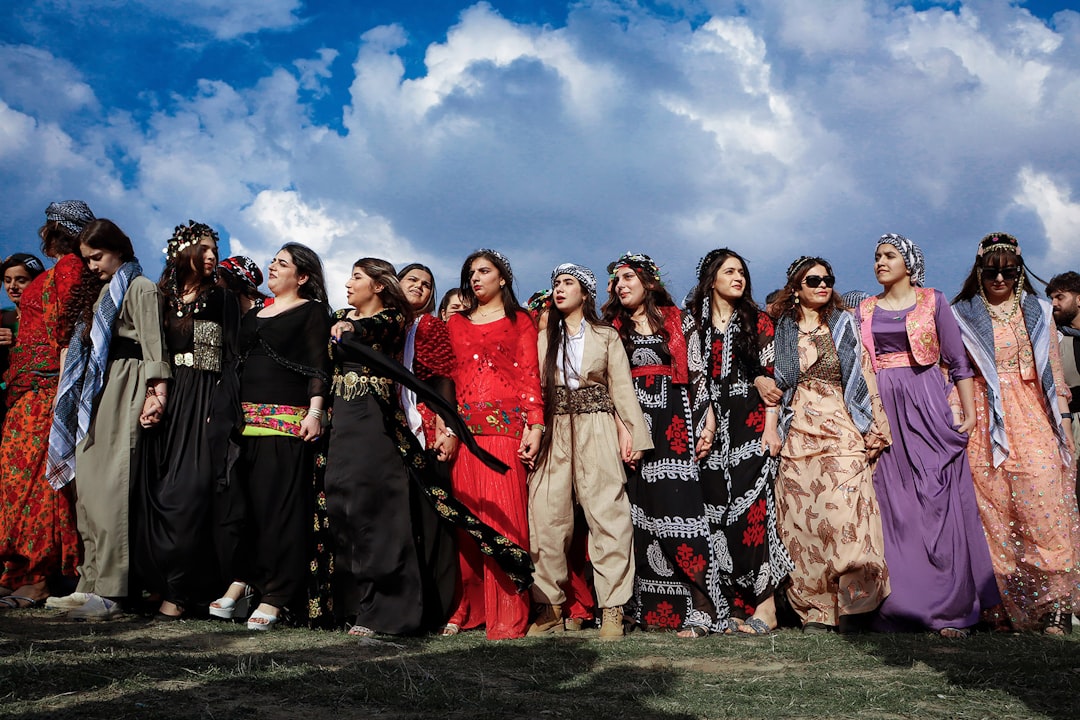
Kurdish dance is fundamentally a group activity, emphasizing the collective over the individual. It is almost always performed in a circle or a long line, open or closed, symbolizing equality and unbroken unity. The dancers stand shoulder to shoulder, linking hands or interlocking pinky fingers, creating a physical chain that represents the unbreakable bond of the community.
The structure of the dance is led by the Serçopî (the head of the dance). This leader, positioned at the right end of the line, holds a colorful handkerchief known as a desmal. The Serçopî signals the changes in rhythm and steps, waving the handkerchief with flourish and authority, guiding the line like a captain steering a ship through the waves of the music.
While there are hundreds of regional variations, the core mechanics generally involve:
- The Stance: An upright posture projecting pride and dignity.
- The Grip: Ranging from pinky-locks to shoulder-holds, depending on the intimacy and energy of the specific dance.
- The Footwork: Intricate patterns involving stomping, hopping, and knee-bends that mimic the navigation of rough mountain terrain.
- The Shoulders: A rhythmic shanking or "shimmies" that accompany the beat of the drum.
The music driving these movements is typically provided by two primary instruments: the Dehol (a large, double-headed drum struck with a heavy stick and a thin reed) and the Zurna (a loud, double-reed wind instrument). Together, they create a piercing, resonant sound capable of echoing across valleys, calling entire villages to join the circle.
The 'Who' and 'Where': A Tradition Without Borders
One of the most striking aspects of Kurdish dance is who participates. Unlike many traditional dances in the Middle East that segregate by gender, Kurdish dance is famously mixed. Men and women dance side by side, hand in hand, in the same line. This practice highlights a unique cultural approach to gender relations within Kurdish society, emphasizing equality and shared joy.
Geographically, these dances are indigenous to the region known as Kurdistan, which spans parts of modern-day Turkey, Iraq, Iran, and Syria. However, the "where" has expanded globally due to the Kurdish diaspora. Today, you are just as likely to see a vibrant Govend in the streets of Berlin, Nashville, or Stockholm as you are in Erbil or Diyarbakır.
"When we link hands, we are not just dancing. We become a fortress. The line of dancers is a physical representation of our mountains—unmovable and majestic."
Each region contributes its own flavor to the art form. For example, the dances from the Kurmanji-speaking regions often feature faster, more energetic footwork, while dances from the Sorani-speaking areas might emphasize smoother, swaying rhythmic movements. Despite these regional dialects of movement, the universal language of the circle remains the same.
Why It Matters: Resistance and Preservation
To understand the "why" behind Kurdish dance, one must look beyond entertainment. Throughout history, the Kurdish language, dress, and cultural expressions have faced suppression in various nations. In this context, dance became a subversive act of survival. By wearing traditional clothes and performing ancestral steps, Kurds publicly reclaimed their identity in the face of assimilation policies.
The dance serves several critical social functions:
- Cultural Preservation: It teaches the younger generation the rhythms and stories of their ancestors.
- Social Bonding: It resolves conflicts; it is difficult to hold a grudge against a neighbor whose hand you must hold in the dance line.
- Political Expression: At rallies and protests, the dance becomes a non-violent demonstration of solidarity and presence.
- Joyous Celebration: Above all, it is an outlet for release, celebration, and happiness in a region often plagued by conflict.
The Visual Spectacle: Attire and Aesthetics
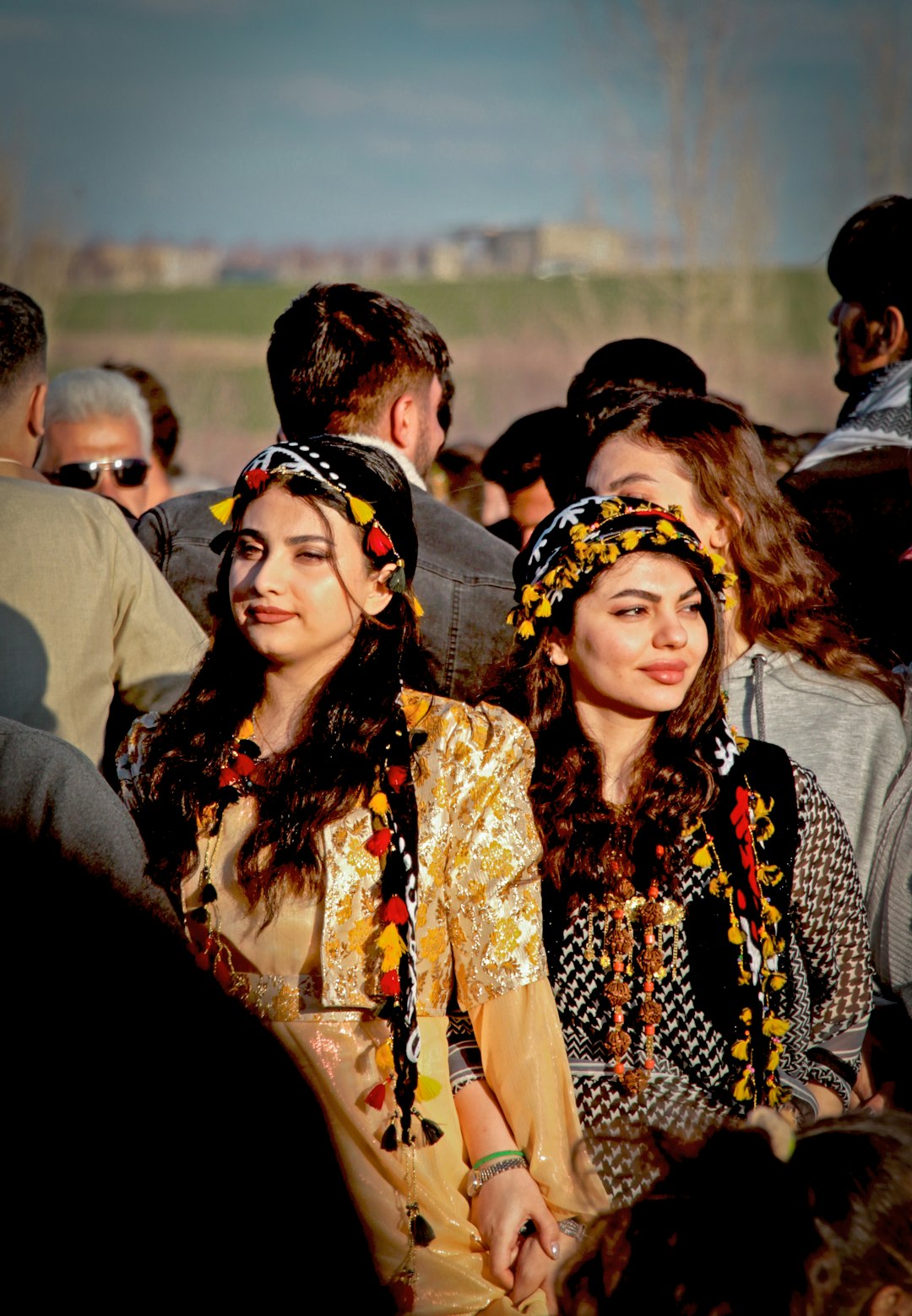
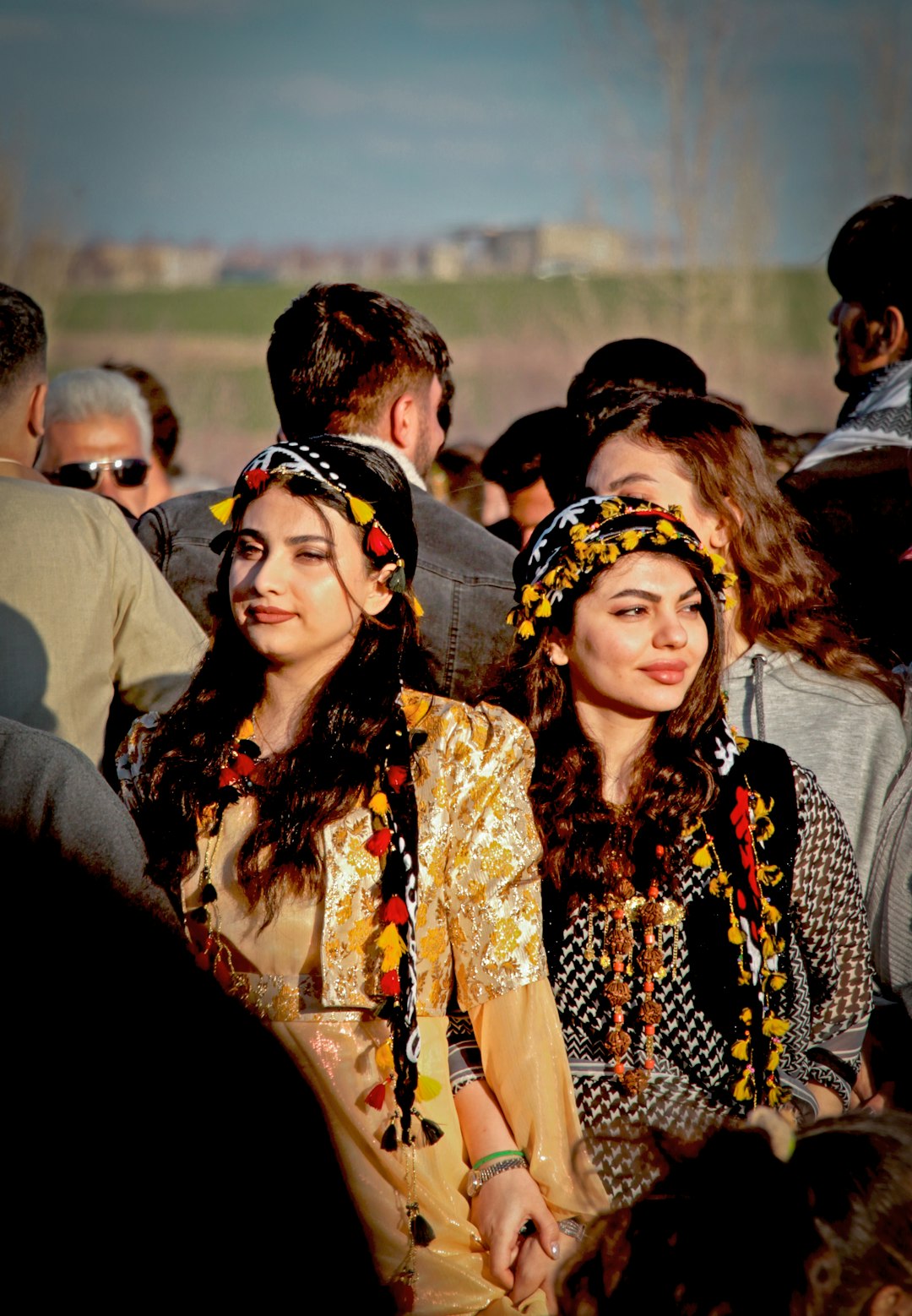
A news article on this topic would be incomplete without mentioning the visual splendor of the dancers. The experience of Kurdish dance is inextricably linked to the Jili Kurdi—traditional Kurdish clothing. The attire transforms the dance line into a kaleidoscope of color.
For women, this typically involves long, flowing dresses sewn from vibrant, often sequined fabrics, layered with vests and sheer over-garments. The swaying of the fabric accentuates the movements of the dance, making the line look like a flowing river. Men typically wear baggy trousers (sharwal) held by a wide sash (pishten), and a matching jacket. The sash is not merely decorative; it provides back support for the hours of vigorous movement and upright posture required by the dance.
Conclusion: An Invitation to the Circle
Kurdish dance is a living, breathing testament to the resilience of a people who have maintained their culture through centuries of turbulence. It is a complex interplay of the who (the community), the what (intricate circle dances), and the why (identity and resistance). It captures the spirit of the mountains and brings it to the city squares of the world.
For the traveler, the cultural enthusiast, or the global citizen, witnessing a Kurdish dance is a privilege. But participating in one is a transformation. If you ever hear the shrill call of the Zurna and the deep thud of the Dehol, do not just watch from the sidelines. Step forward, link a pinky finger with the stranger next to you, and join the rhythm of resilience.