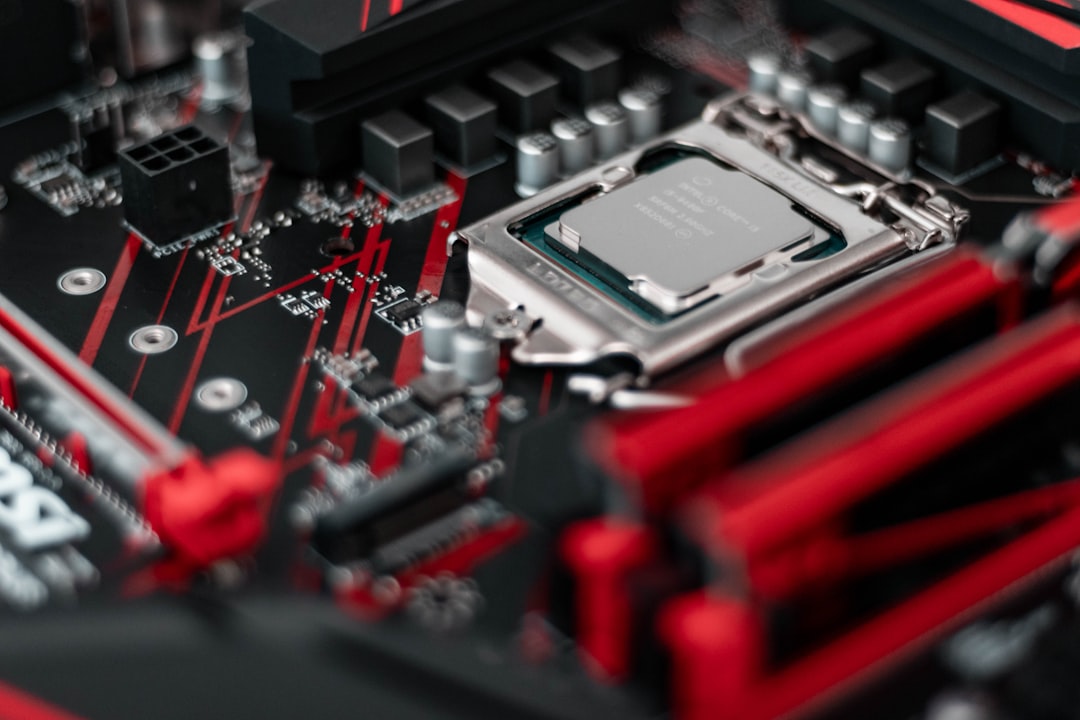
Intel, a name synonymous with personal computing for decades, is undergoing a profound transformation. No longer content to merely dominate the x86 processor market, the company is aggressively pivoting toward a future defined by advanced manufacturing, diverse product portfolios, and strategic partnerships. This strategic shift, driven by a changing technological landscape and intense competition, aims to solidify Intel's position as a leader in the global semiconductor industry. This article will delve into the details of Intel's journey, exploring its current initiatives, future plans, and the challenges it faces in an increasingly complex market.
The company, once the undisputed king of silicon, is facing challenges from competitors like AMD and Arm-based chip manufacturers. This includes a more competitive landscape and a need to catch up on advanced manufacturing processes. Intel's response has been a multi-pronged strategy focused on innovation, investment, and a renewed commitment to its core values. Let's explore the key aspects of this transformation.
The Who, What, When, Where, Why, and How of Intel's Transformation
Who: The Players Involved
At the heart of Intel's transformation is its leadership, most notably CEO Pat Gelsinger, who took the helm in 2021. Gelsinger, a veteran of Intel, has brought a renewed sense of urgency and a clear vision for the company's future. He has overseen significant changes in strategy, including massive investments in manufacturing, a renewed focus on innovation, and a commitment to open communication. Key figures in the company's executive team, along with thousands of engineers, researchers, and manufacturing personnel are essential to the success of this transformation.
Furthermore, Intel's success depends on a vast network of suppliers, partners, and customers. This includes companies that design and manufacture the products that utilize Intel's processors, as well as the end-users who rely on those products daily. Intel's ability to forge and maintain strong relationships with these stakeholders is crucial. The company also faces competition from other major players in the semiconductor industry, including AMD, NVIDIA, and TSMC, who all play a role in shaping the market landscape.
What: The Core Initiatives
Intel's transformation centers around several key initiatives. First and foremost is the company's significant investment in its manufacturing capabilities. This involves building new fabrication facilities (fabs) and upgrading existing ones to produce cutting-edge chips. This is a critical step to regain its manufacturing leadership and reduce its reliance on external foundries. Intel plans to expand its manufacturing footprint in the U.S. and Europe, with new fabs planned in Arizona, Ohio, and Germany.
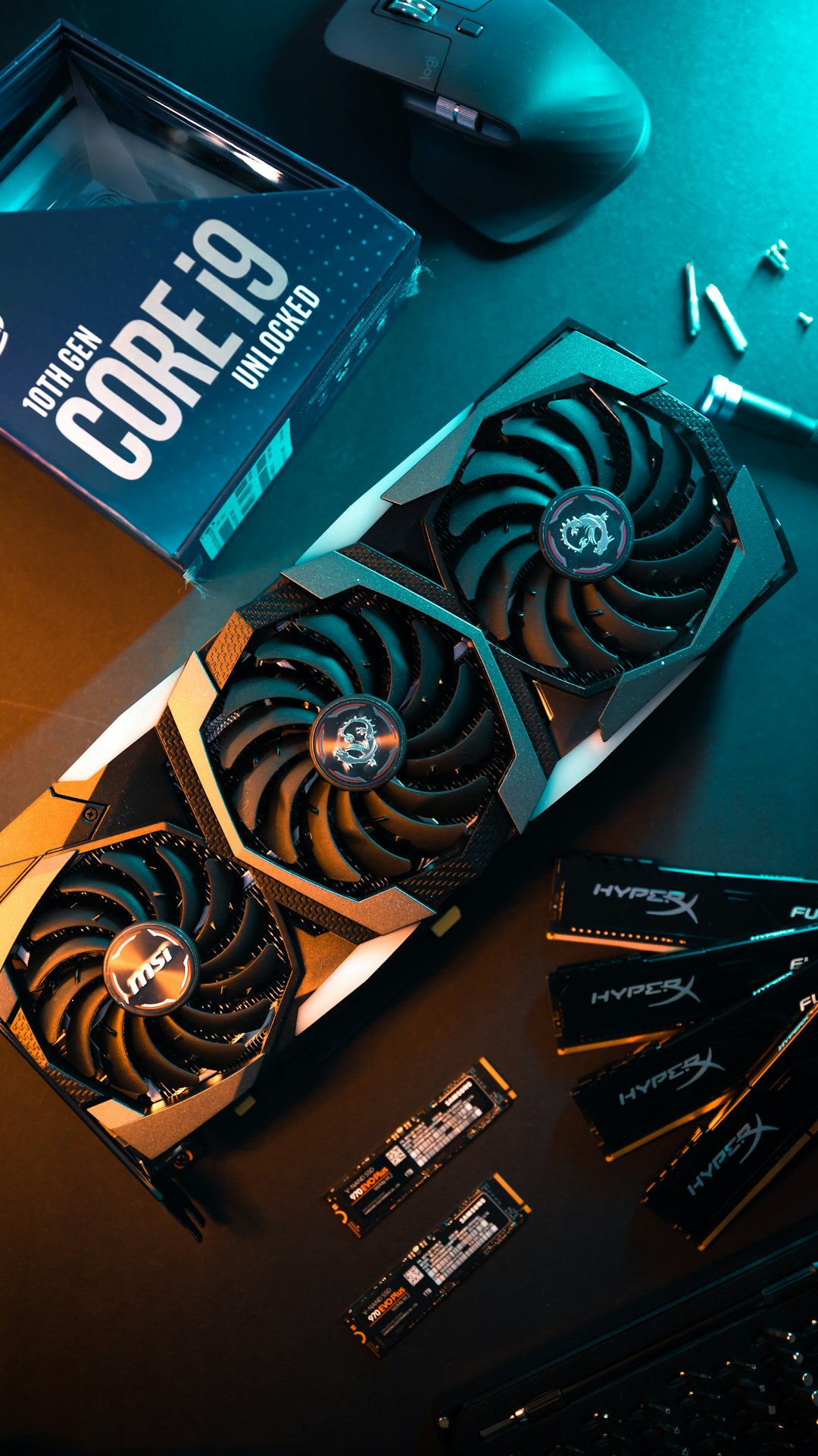
A second major initiative is the expansion of its product portfolio. While Intel remains committed to its core x86 processors for PCs and servers, it's also diversifying into new areas. This includes expanding its presence in the graphics processing unit (GPU) market, with its Arc series of GPUs designed to compete with NVIDIA and AMD. They are also focusing on Artificial Intelligence (AI) solutions, data center infrastructure, and automotive technology, to name a few. They are creating a more diverse portfolio to meet the needs of a changing market.
Furthermore, Intel is embracing a more open and collaborative approach. This includes partnerships with other companies, such as its collaboration with MediaTek to develop chips for the PC market, and the development of the RISC-V architecture. They are also actively working to strengthen its ecosystem, ensuring that its products are compatible with a wide range of software and hardware.
When: Timeline and Milestones
Intel's transformation is not a single event but a multi-year journey. The groundwork for the current strategy was laid several years ago, but the pace has accelerated significantly under Gelsinger's leadership. Key milestones include the announcement of major investments in new fabs, the launch of new product lines, and the establishment of strategic partnerships.
The company has set ambitious goals for the next few years. They are aiming to regain process leadership by 2025, meaning producing chips with the most advanced manufacturing processes. They plan to introduce new generations of processors on a regular cadence, and to increase their market share in key growth areas, such as GPUs and AI. The success of these initiatives will be crucial in determining Intel's long-term future.
Where: Geographic Expansion and Focus
Intel's transformation has a global dimension. While the company is headquartered in the United States, it operates across multiple countries. The company has a significant presence in the United States, with major manufacturing facilities, research centers, and offices. The company is investing heavily in expanding its manufacturing capacity in the U.S., with new fabs planned in Arizona and Ohio.
Intel is also expanding its presence in Europe. The company plans to build a major new fab in Germany and is investing in research and development in other European countries. Furthermore, Intel is involved in the growth of its presence in Asia, particularly in countries like Malaysia, Vietnam, and China, where it has manufacturing facilities and supply chain partnerships. They are strategically placing operations in areas that offer the best opportunities for growth and innovation.
Why: The Driving Forces Behind the Transformation
The primary driver behind Intel's transformation is the need to adapt to a changing technological landscape. The semiconductor industry is becoming increasingly competitive, with new players entering the market and established competitors innovating rapidly. Intel must evolve to stay ahead of the curve.
The company also aims to regain its leadership position in the semiconductor industry. For years, Intel was the undisputed leader in processor technology, but it lost ground in recent years due to manufacturing challenges and increased competition. The transformation is designed to address these challenges and restore Intel to its former glory. Another factor is the increased demand for semiconductors across a wide range of applications, from personal computers to data centers to automotive technology. Intel aims to capitalize on these opportunities by expanding its product portfolio and strengthening its manufacturing capabilities.
How: The Strategies and Methods
Intel is employing several strategies to achieve its transformation goals. First, the company is investing heavily in research and development. This includes investing in new manufacturing technologies, such as extreme ultraviolet (EUV) lithography, and developing new processor architectures. They are working to create more efficient and powerful chips.
Intel is also streamlining its operations and improving its efficiency. This includes reorganizing its business units, optimizing its supply chain, and reducing costs. The company is focused on becoming more agile and responsive to market changes. Another key strategy is building strong partnerships. Intel is collaborating with other companies to develop new products, expand its market reach, and share resources. This includes alliances with major tech companies, as well as smaller start-ups.
Challenges and Opportunities
Intel's transformation is not without its challenges. The semiconductor industry is capital-intensive, and building new fabs and upgrading existing ones requires significant investment. The company must manage its finances carefully to ensure that it has the resources it needs to execute its plans. The development of advanced manufacturing technologies is complex, and Intel faces competition from other companies that are also investing heavily in this area. Staying ahead of the curve requires constant innovation and a willingness to take risks.
There are also external factors that can impact Intel's transformation. The global economy is constantly changing, and economic downturns can affect demand for semiconductors. Geopolitical tensions can also disrupt supply chains and create uncertainty. Despite these challenges, Intel also faces significant opportunities. The demand for semiconductors is expected to continue to grow in the coming years, driven by the increasing use of technology in all aspects of life. Intel is well-positioned to capitalize on these opportunities by expanding its product portfolio and strengthening its manufacturing capabilities.
The Future of Intel
Intel's transformation is a long-term project, and its success will depend on its ability to execute its plans and adapt to changing market conditions. The company is investing heavily in its future, and its efforts are starting to yield results. Intel has announced new product launches, forged strategic partnerships, and made progress in regaining its manufacturing leadership. They are showing a renewed commitment to innovation and a determination to succeed.
Looking ahead, Intel is focused on several key areas. The company is committed to advancing its manufacturing technology, improving its product performance, and expanding its presence in key growth markets. Intel is also working to build a more sustainable business, reducing its environmental impact and promoting ethical practices. The company's success will depend on its ability to execute its plans, adapt to changing market conditions, and maintain its focus on innovation.
Conclusion: Intel's Path Forward
Intel's transformation is a bold undertaking, but it is necessary for the company to remain a leader in the semiconductor industry. By investing in manufacturing, diversifying its product portfolio, and fostering strategic partnerships, Intel is laying the groundwork for future success. The company faces significant challenges, but it also has tremendous opportunities to capitalize on the growing demand for semiconductors and shape the future of computing.
The company's success will depend on its ability to execute its plans, adapt to changing market conditions, and maintain its focus on innovation. Intel's journey is one to watch. The future of the semiconductor industry will be profoundly shaped by Intel's ability to navigate this transformation.
Takeaway: Intel's transformation is a testament to its commitment to innovation and its determination to regain its position as a leader in the semiconductor industry. The company's ability to execute its plans and adapt to changing market conditions will determine its long-term success. Stay informed about Intel's progress by following industry news and the company's official announcements.
Call to Action: Keep an eye on Intel's progress. Follow industry news and the company's official announcements to stay updated on its transformation. Share this article with your network to spread awareness.