The world of computing is a battlefield, and at the heart of the conflict lie the central processing units (CPUs) that power our digital lives. For decades, Intel reigned supreme, but a resurgent AMD has emerged as a formidable challenger, igniting a fierce competition that benefits consumers with innovation and better prices. This article delves into the current state of this CPU rivalry, examining the strengths and weaknesses of both companies, their recent advancements, and what the future holds for this vital technology sector.
We'll explore the 'who, what, when, where, why, and how' of AMD's recent performance, and provide a detailed comparison with its chief rival, Intel. This comprehensive analysis will equip you with the knowledge to understand the dynamics of the CPU market and make informed decisions about your computing needs.
The Rise of AMD: A New Era in CPU Power
AMD, or Advanced Micro Devices, has experienced a remarkable turnaround in recent years. Once trailing far behind Intel in both performance and market share, AMD has clawed its way back to prominence, thanks to a combination of strategic innovation, aggressive pricing, and a keen understanding of market demands. This resurgence has reshaped the landscape of the PC industry, forcing Intel to respond with its own advancements, ultimately benefitting consumers.
Who: AMD is a global semiconductor company headquartered in Santa Clara, California. It designs and manufactures a wide range of products, including CPUs, GPUs (graphics processing units), and other related technologies. Key figures include CEO Lisa Su, whose leadership has been instrumental in AMD's recent success.
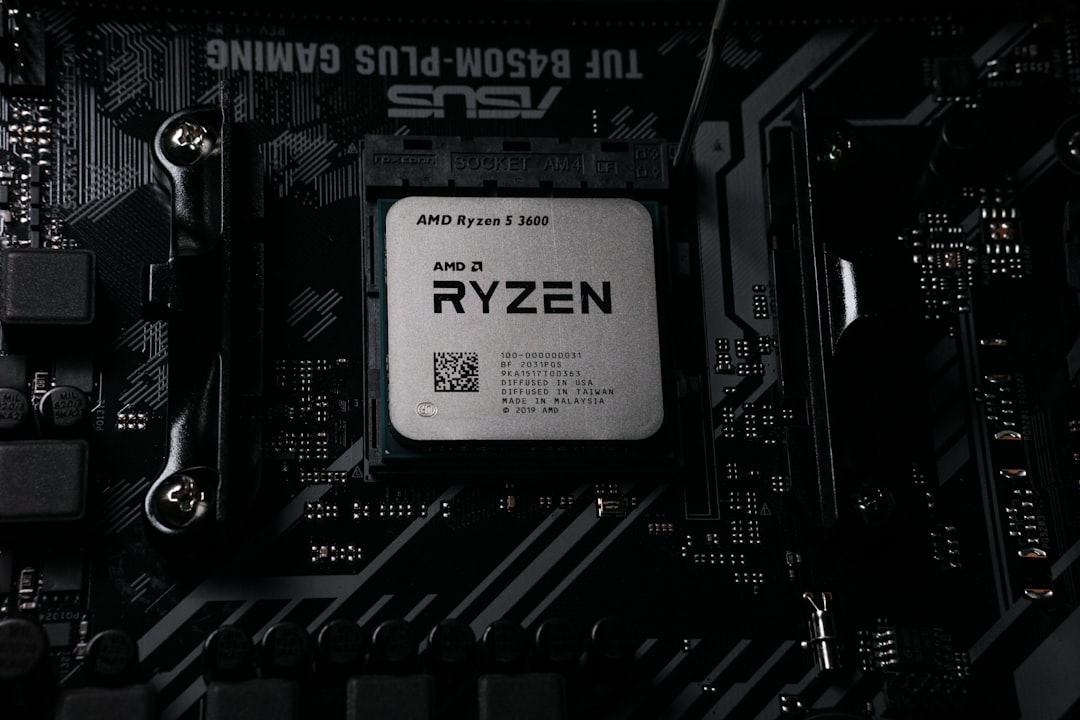
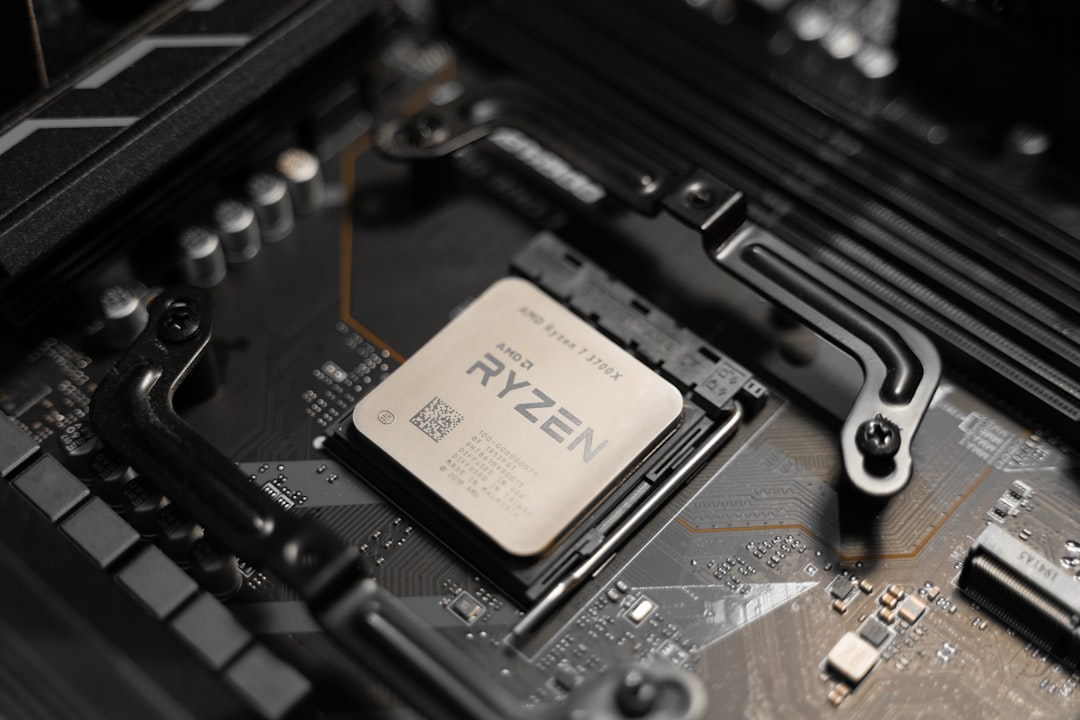
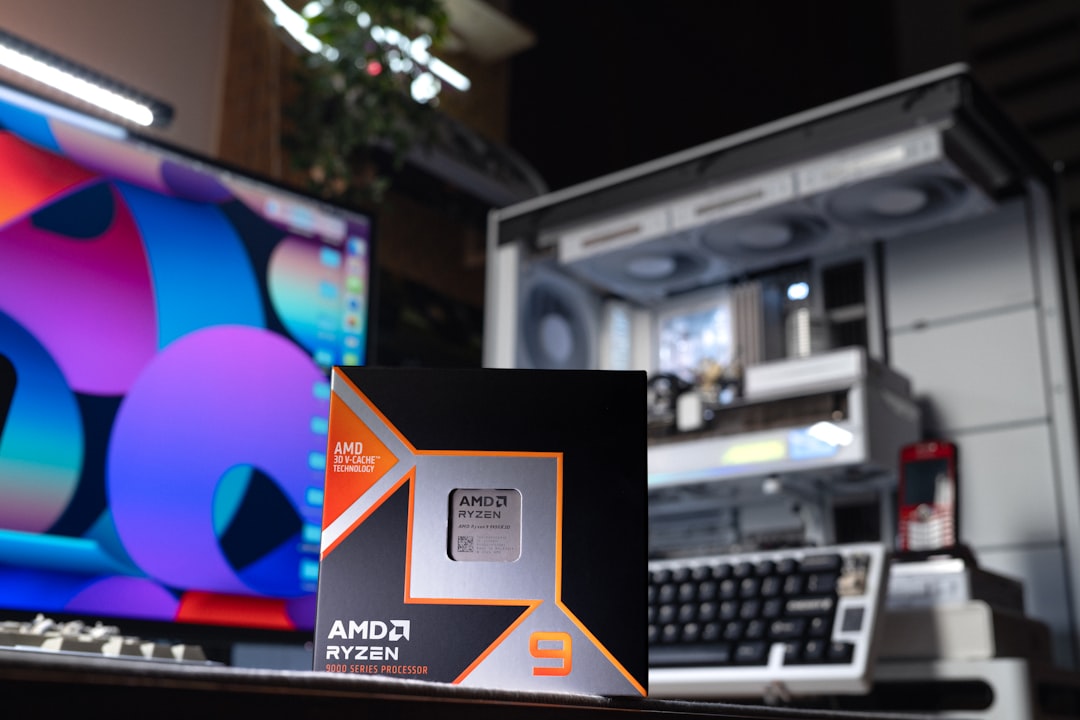
What: AMD produces CPUs under the Ryzen brand, which has become synonymous with high performance and value. They also manufacture GPUs under the Radeon brand, competing with NVIDIA in the graphics card market. AMD's product portfolio also includes processors for servers and embedded systems.
When: The modern era of AMD's success began with the launch of its Ryzen processors in 2017. These CPUs, based on the Zen architecture, offered a significant performance boost compared to previous generations and challenged Intel's dominance. AMD has continued to release new generations of Ryzen processors, consistently improving performance and efficiency.
Where: AMD's products are used in a variety of devices, from desktop computers and laptops to gaming consoles and servers. Their CPUs and GPUs are found in systems worldwide, powering everything from everyday tasks to demanding professional applications. AMD has manufacturing facilities and partnerships across the globe to ensure its supply chain is robust.
Why: AMD's success can be attributed to several factors. They adopted a multi-chip module (MCM) design, allowing them to pack more cores into their processors. This, combined with architectural improvements and a focus on efficiency, allowed them to offer competitive performance at attractive price points. They have also focused on specific market segments, like gaming, where their products have gained significant popularity. The company's focus on technological innovation and market adaptability is key to its success.
How: AMD achieves its performance through a combination of cutting-edge technology and strategic partnerships. They utilize advanced manufacturing processes from companies like TSMC to build their chips. They invest heavily in research and development to create innovative architectures and features, such as the Infinity Fabric interconnect, which allows different components within the processor to communicate efficiently. AMD also collaborates with software developers and hardware manufacturers to optimize their products for various applications.
Intel's Response: Maintaining its Legacy and Innovating for the Future
While AMD has been gaining ground, Intel remains a dominant force in the CPU market. The company has a long and storied history of innovation and has developed a strong brand reputation. Intel has responded to the AMD challenge by focusing on its strengths, investing in new technologies, and refining its product offerings.
Intel's strategy revolves around several key pillars, including advanced manufacturing, architectural innovation, and software optimization. They continue to invest heavily in research and development to maintain their technological edge. Furthermore, Intel has been working on enhancing its product lines and expanding into new markets, such as graphics cards and artificial intelligence.
Intel's recent product launches, such as the 13th and 14th generation Core processors, demonstrate its commitment to offering high-performance CPUs. They are also focusing on improving the efficiency of their processors and reducing power consumption. Intel’s market position is still strong, and they are not resting on their laurels.
Intel's strength lies in its established brand recognition, its strong financial resources, and its long-standing relationships with major PC manufacturers. They also have a deep understanding of the software ecosystem, allowing them to optimize their processors for a wide range of applications. Intel aims to maintain its leadership by constantly innovating and adapting to the evolving demands of the market.
AMD vs. Intel: A Comparative Analysis
To provide a clear picture of the current CPU landscape, let's compare AMD and Intel across several key criteria:
Performance
Both AMD and Intel offer high-performance CPUs capable of handling demanding tasks. However, the specific strengths of each company vary depending on the workload. AMD's Ryzen processors often excel in multi-threaded applications, such as video editing and content creation, due to their higher core counts. Intel's processors can sometimes hold an edge in single-threaded performance, which is important for gaming and other applications that rely on individual core speed.
Features and Technologies
Both companies incorporate cutting-edge features into their CPUs. AMD's Ryzen processors support features like PCIe 4.0 and 5.0, offering faster data transfer speeds. They also have integrated graphics on some of their processors. Intel has its own set of features, including technologies like Thunderbolt and integrated graphics, which have improved significantly in recent generations. Both companies are constantly innovating to provide the latest technologies.
Price and Value
AMD has historically offered more competitive pricing, particularly in the mid-range and budget segments. They often provide a better price-to-performance ratio than Intel, making their CPUs an attractive option for budget-conscious consumers. Intel, on the other hand, sometimes charges a premium for its top-of-the-line processors, but they can justify the price based on their performance and features. The value proposition of each company depends on the specific CPU model and the user's needs.
Power Consumption and Efficiency
Efficiency has become increasingly important in recent years, with consumers demanding longer battery life in laptops and lower energy bills in desktops. Both AMD and Intel have made significant strides in improving the efficiency of their processors. AMD's Ryzen processors have generally been competitive in terms of power consumption. Intel's latest processors have also shown improved efficiency, particularly in mobile devices. The power consumption of each CPU depends on its design and the specific workload.
Here’s a table summarizing the key aspects:
| Feature |
AMD Ryzen |
Intel Core |
| Performance (Multi-Threaded) |
Generally Stronger |
Competitive |
| Performance (Single-Threaded) |
Competitive |
Generally Stronger |
| Price-to-Performance |
Often Better |
Competitive |
| Features |
PCIe 4.0/5.0, Integrated Graphics |
Thunderbolt, Integrated Graphics |
| Power Consumption |
Competitive, improving |
Competitive, improving |
| Market Share |
Growing |
Leading |
| Target Audience |
Gamers, Content Creators, Budget-Conscious |
Gamers, Professionals, Enthusiasts |
The Future of the CPU Wars
The competition between AMD and Intel is far from over. Both companies are investing heavily in research and development to stay ahead of the curve. The future of the CPU market is likely to be characterized by continued innovation, with both companies pushing the boundaries of performance, efficiency, and features.
We can expect to see further advancements in chiplet designs, which allow manufacturers to combine multiple smaller chiplets into a single CPU. This approach can improve performance and reduce manufacturing costs. Artificial intelligence (AI) is also playing an increasingly important role in CPU design. Both companies are incorporating AI-powered features into their processors to enhance performance and optimize workloads.
The ongoing rivalry between AMD and Intel is driving innovation and benefiting consumers. As both companies continue to compete, we can expect to see even faster, more efficient, and feature-rich CPUs in the years to come.
Conclusion: Choosing the Right CPU for You
The choice between AMD and Intel ultimately depends on your individual needs and budget. If you are a gamer or content creator who values multi-threaded performance and a competitive price, AMD's Ryzen processors are an excellent option. If you prioritize single-threaded performance and are willing to pay a premium for top-of-the-line performance, Intel's Core processors may be a better fit.
It's important to research the specific CPU models and compare their performance, features, and price before making a decision. Consider the tasks you will be performing with your computer and choose the CPU that best meets your needs. Regardless of which company you choose, the competition between AMD and Intel ensures that you will have access to powerful and innovative CPUs for years to come.
Take Action: Research the latest CPU models from both AMD and Intel to find the perfect processor for your next build or upgrade. Compare the specifications, performance benchmarks, and prices to make an informed decision. Consider your specific needs and budget to identify the best value for your money. The future of computing is in your hands!